Year after year the Janáček Festival in Brno is increasingly moving beyond being merely a must-attend event for curious opera lovers and admirers of the brilliant Moravian composer. The productions are becoming increasingly ambitious in terms of musicians and staging and by now you have to secure good tickets well in advance. The enthusiastic Czech audience and visitors who have traveled to experience Janáček’s emotional music celebrate nearly every performance with standing ovations. Seeing an opera by Leoš Janáček in Brno is an incomparable experience - certainly comparable only to the atmosphere that arises among Wagnerians in Bayreuth. Traces and testimonies of his life and art can be discovered throughout the city and that is just one aspect of the rich culture Brno has to offer.
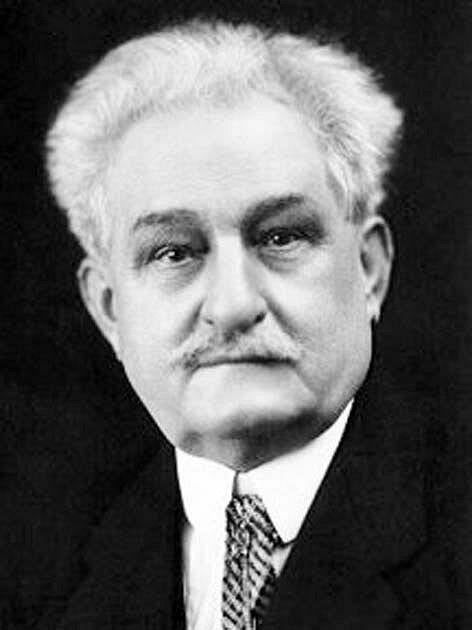
Leoš Janáček was born in 1854 in Hukvaldy (northeastern Moravia). His father, Jiří Janáček, was a teacher in the village and also served as the church musician, which gave him the insight to recognize his son’s musical talent. At the age of 12 Leoš was sent to the Augustinian monastery in Brno for further education. However, his father died that same year and his uncle had to assume guardianship of him and, with it, responsibility for his financial affairs. At that time his mother, Amalie, was not permitted to do so.
Leoš Janáček, Source: Encyclopedia of the History of Brno
The Augustinian monastery was a renowned center of learning in the arts and sciences (Gregor Mendel laid the foundations for our understanding of genetics - Mendel’s laws - there). Janáček’s sensibility, shaped by nature and its beauty, was now complemented by the vibrant cultural life of a burgeoning metropolis. Being able to pursue all of this both within and outside the quiet monastery walls allowed him to fully embrace both of these passions in Brno. A happy family life however fell by the wayside. Leoš also participated in the Brno Boys’ Choir (known as the Bluethroats) while at the monastery. Afterward his focus shifted more toward the Brno Teacher Training College, though Janáček continued to assist at the monastery as a musician (church music, organ, choir).
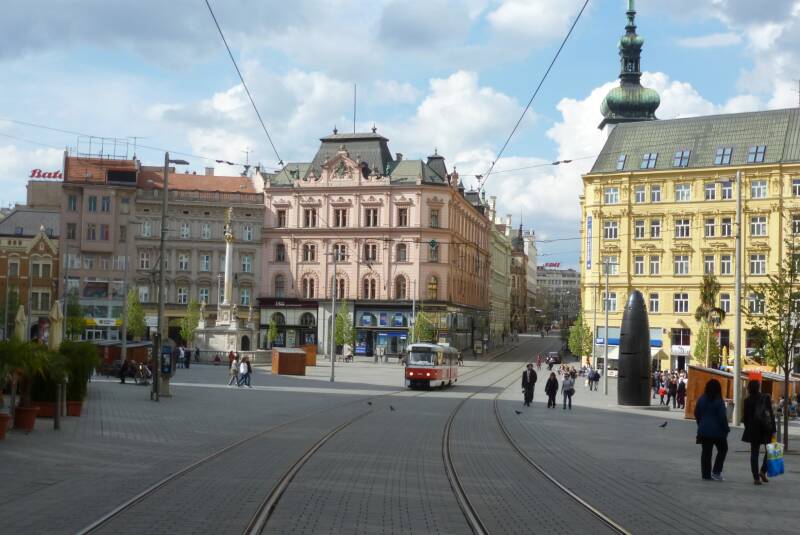
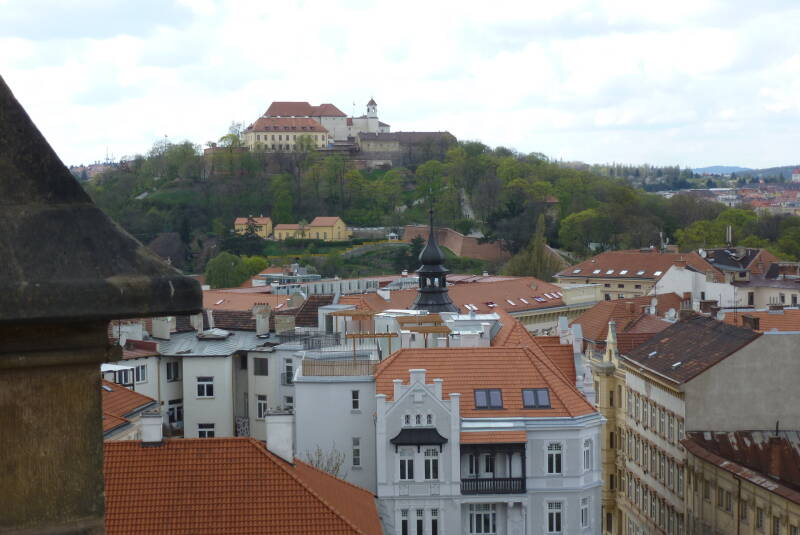


Modern-day Brno: Náměstí Svobody (Freedom Square), Špilberk Castle (which also hosts summer opera performances), St. Peter and Paul Cathedral, and the statue in front of the Janáček Theater
Leoš Janáček’s income at that time was virtually nonexistent. In 1872 he was hired as an assistant teacher. Emilián Schulz - who would later become his father-in-law - was the director of the teacher training college. For his work at the monastery Leoš received only room and board. He became involved with the emerging Czech cultural association Beseda Brněnská, which featured men’s choirs at the Besední Dům (today the home of the Brno Philharmonic). Janáček conducted these choirs for a fee and gifted the institution with his own compositions.
In 1875 Janáček earned a diploma in church music from the renowned organ school in Prague. He also met other Czech composers - Josef Bohuslav Foerster, Zdeněk Fibich, and Antonín Dvořák - and remained in contact with them as friends. Later in Brno he continued his development at the teacher training college and secured a permanent position as a music teacher, with responsibility for training other music teachers. This improved his income.
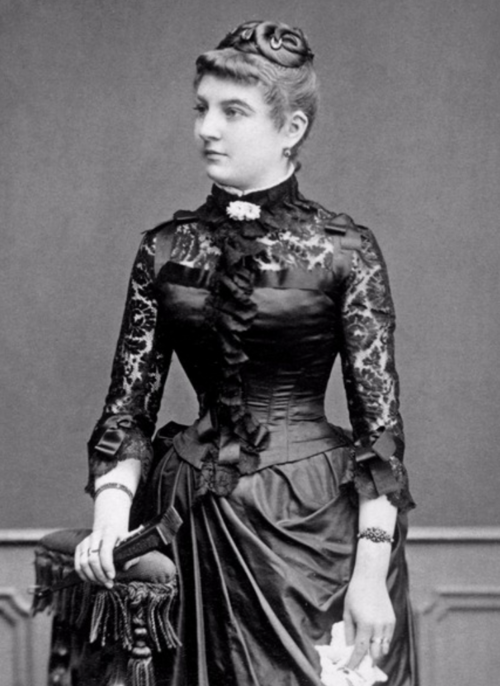
In 1877 Leoš was hired by Emilián Schulz (the director of the teacher training college) to be a piano teacher for his daughter Zdenka. Zdenka was 11 years old, and Leoš was 22. When she was 14 Leoš asked for her hand in marriage and she was promised to him, though the wedding was postponed until later due to her youth. From today’s perspective this seems like a rather unusual foundation for a lifelong relationship.
Zdenka Janáčková, 1885. © Moravian State Museum
With Leoš Janáček the concert scene at the Besední Dům expanded significantly, featuring works by Antonín Dvořák, among others which led him to travel to Brno more frequently. Further educational stays in Leipzig and Vienna followed, though Leoš Janáček had still not taken up opera by that time. He wanted to establish an organ school in Brno modeled after the one in Prague. In 1881 he succeeded in doing so by founding an association for the promotion of church music in Moravia, from which the organ school later emerged. For a long time this formed the focus of his professional life.
In 1881 he married Zdenka, and their daughter Olga was born just one year later. However the first cracks in their marriage began to show very soon. The reasons for this were certainly the age difference, but also family disputes rooted in the senseless tensions between Germans and Czechs. Although they fundamentally respected one another there were repeated clashes between the German Schulz and Janáček’s Pan-Slavism. Unfortunately even at that time there was no truly multiethnic coexistence. This was also evident in the founding of the beautiful German Theater (today’s Mahénovo Divadlo) to promote German culture, while Czech drama continued to be staged elsewhere.
Around 1884 Janáček emerged as the undisputed leader and champion of Brno’s musical life. He published the music journal „Hudební Listy“, whose first issue announced the founding of the Czech Theater (known as the Brno Provisional Theater, located in the Orfeum Ballroom). Operas were soon being performed there as well. Unfortunately he did not always make friends with Hudebny Listy. For example he criticized the compositions of Karel Kovařovic, who later became the leading artistic director, conductor and composer at the Prague National Theater.
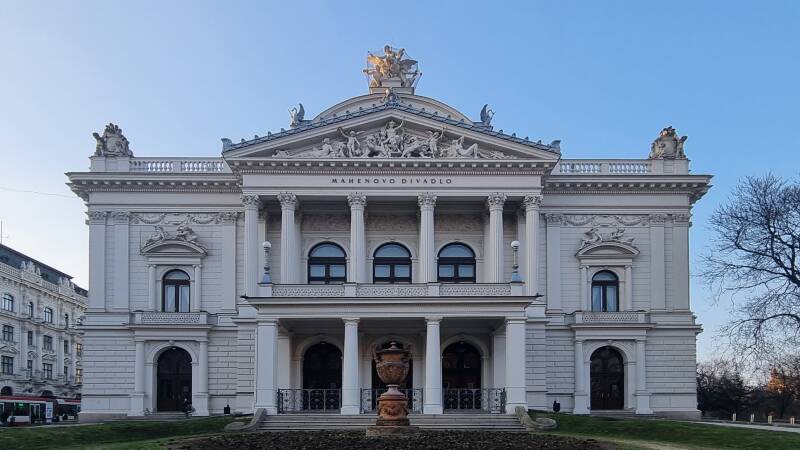
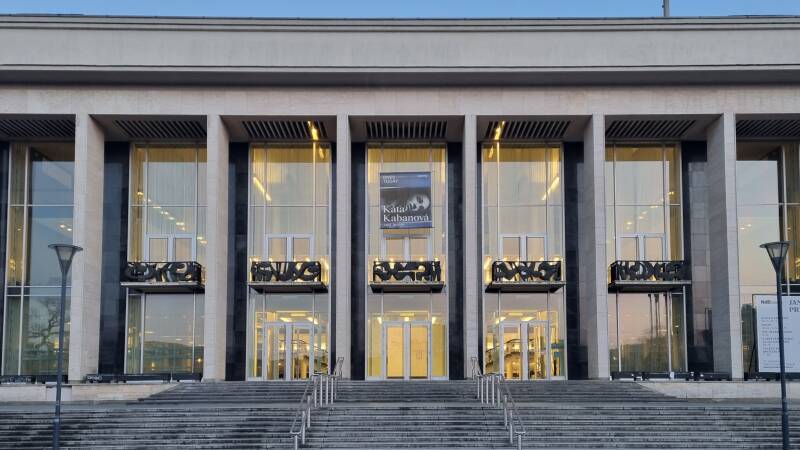

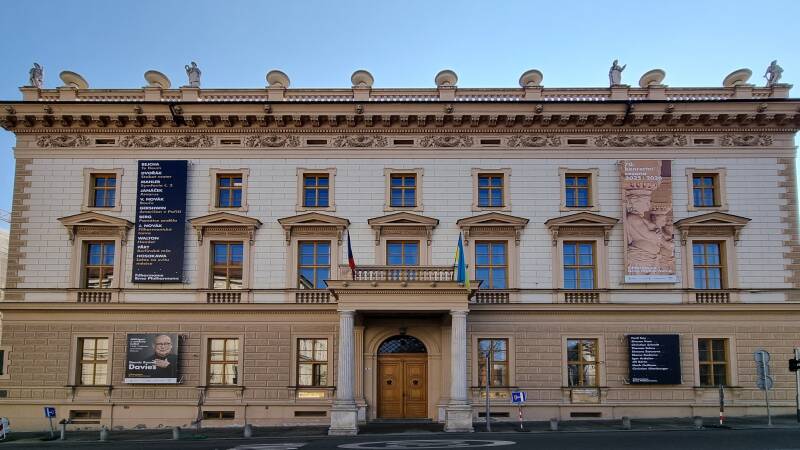
Brno’s musical temples: Mahénovo Divadlo (formerly the German Theater) top left, Janáček Theater (1965), and the Brno Philharmonic (Besední Dům) bottom right
Difficult times lay ahead for Leoš Janáček. In 1888 he composed his first opera, Šárka, but it was shelved for the time being because Julius Zeyer refused to approve the libretto. Janáček had composed it hastily and ahead of schedule. That same year his son Vladimir was born, but he died of scarlet fever just one year later. The ongoing ups and downs of the relationship between Zdenka and Leoš thus took another turn for the worse.
In early 1891 Gabriela Preissová came to Brno to present her successful play „Jeji Pastorkyňa“ (Her Stepdaughter). This was the initial inspiration for Janáček’s most famous masterpiece. It was not until 1894, however, that he began to actively work on the material. His diverse professional commitments throughout the city - primarily dedicated to promoting Czech culture - required him to repeatedly take long breaks from composing operas over the next few years. Travel and his collection of Czech folk music shaped his own compositions throughout his life, such as the Lachian Dances, choral works, and piano pieces.
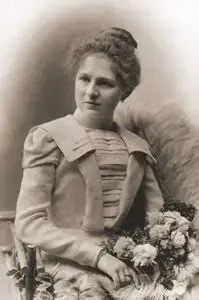
Olga Janáčková, 1899. Source: Leoš Janáček Archive, Moravian Museum, Music Department (F-I-247)
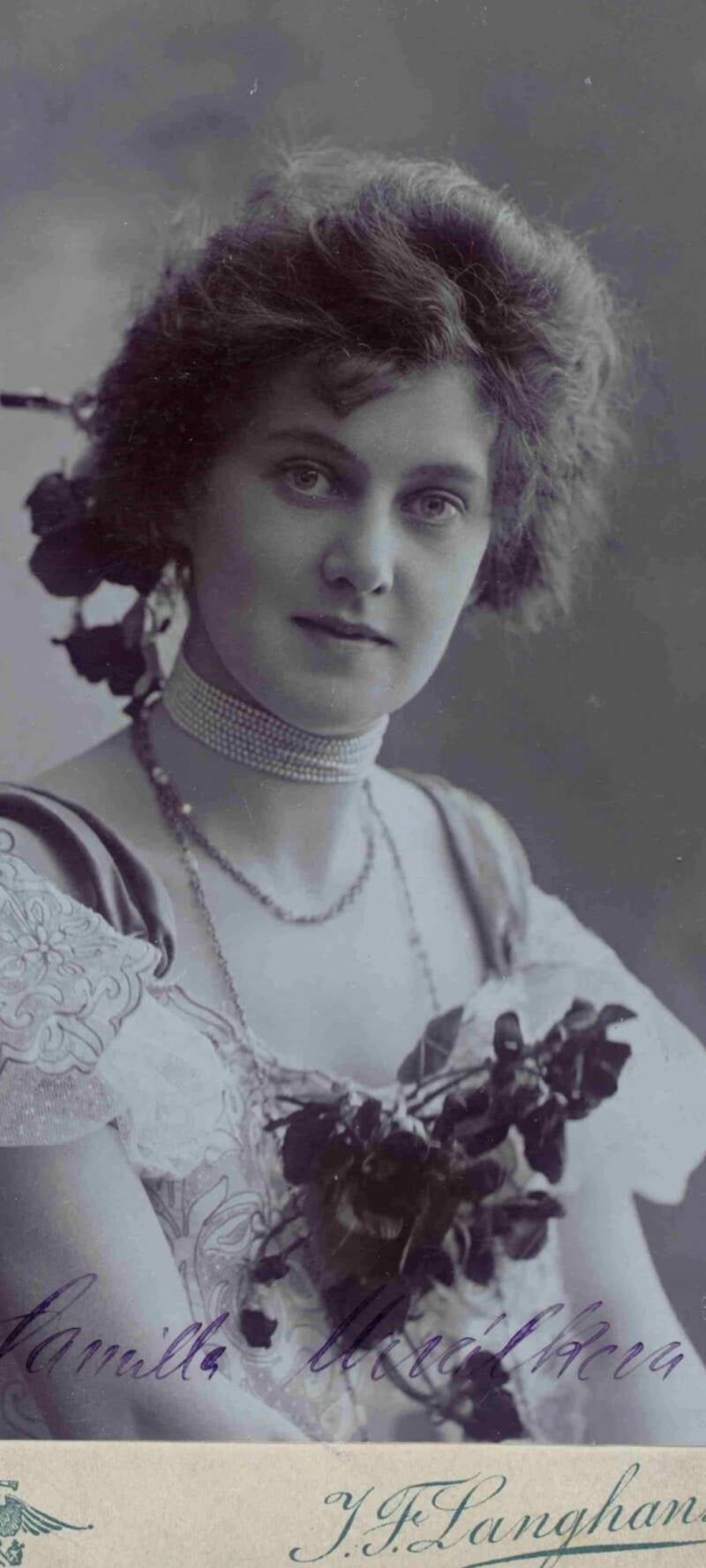
Right: Kamila Urválková – Janáček’s love affair from the spa town of Luhačovice and the inspiration for the opera Osud. © Moravian Museum
Jeji Pastorkyňa was finally completed in 1902. However this was overshadowed by the death at age 20 of his daughter Olga, who had long suffered from heart failure and rheumatism. Naturally this also marked the definitive emotional end of his already fractured marriage to Zdenka. Jeji Pastorkyňa, submitted in Prague, was rejected. Soon after Leoš had an affair with a beautiful recreation attendant in Luhačovice - Kamila Urválková - which was difficult to conceal through their correspondence.
The premiere of Jeji Pastorkyňa finally took place in 1904 at the Czech National Theater in Brno - a resounding success (even though this theater was nowhere near as well-equipped as the German one). Janáček was celebrated enthusiastically. Reviews from Prague, on the other hand, were condescendingly gracious. It seems that at the time there was not only a divide between Germans and Czechs, but also between Bohemians and Moravians. How regrettable that such great cultures were constantly getting in each other’s way. The situation in Prague was certainly made more difficult by the fact that relations with Kovařevic, who had risen to the position of opera director, were not the best.
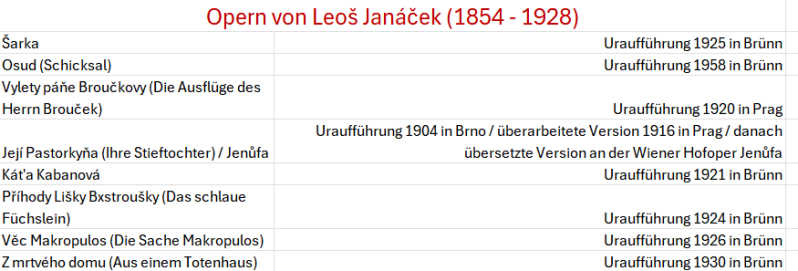
Janáček made rather slow progress with his early operas. Osud (Fate) was begun in 1903. In it his lover Kamila Urválková was, so to speak, immortalized. It was completed in 1907 but his efforts to stage it in Prague were again unsuccessful. Thus Osud also ended up in a drawer and was not premiered until long after his death, in Brno in 1958. The composition of The Excursions of Mr. Brouček took place between 1908 and 1917. Its premiere was in Prague in 1920 - the long gestation period was due to the fact that the second part (set in the 15th century) was not tackled until long after the first part (set on the moon) had been written.
.

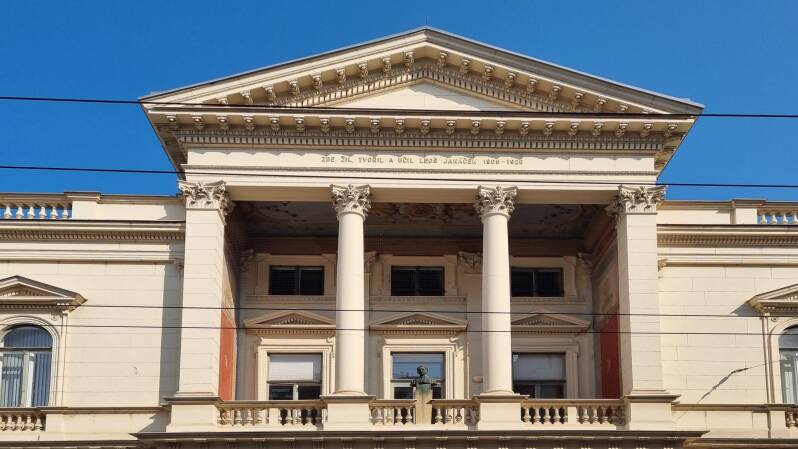
Leoš and Zdenka moved into the little house next to the organ school (now a small museum) in 1909. At the outbreak of World War I Janáček was 60 years old and had not yet written his famous, frequently performed operas. Tensions between German and Czech-Slavic nationalism in Brno were escalating.
.
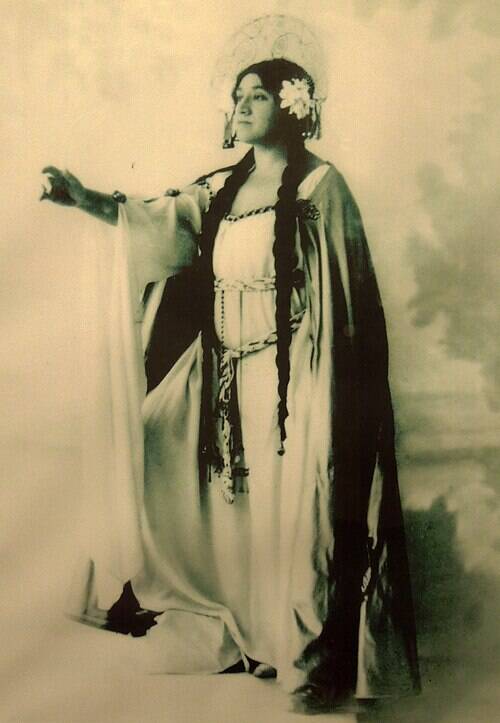
Gabriela Horvátová as Libuše (1915). Source: Wikipedia
The pressure from influential Czech artists became so intense that Kovařevic agreed to stage Jeji Pastorkyňa in Prague. However, he used the opportunity to criticize the masterpiece and insisted on necessary changes (especially to the orchestration), which of course he himself - as a recognized composer - would have to make. The Prague premiere (under the best possible circumstances regarding the orchestra, choir, and venue) was so important to Leoš that he accepted everything. Biographers assume he had a love affair in Prague with the dramatic soprano Gabriela Horvátová (Kostelnička). His marriage to Zdenka was ultimately nothing more than a formality to the outside world.
The 1916 premiere in Prague was a resounding success and marked the beginning of the work’s and its composer’s triumphant march across the globe. Whether this was due to Kovařevic’s revisions is a matter of intense debate. It simply marked a step out of Moravia onto a stage of world-class caliber. In any case this version was performed worldwide for decades until conductor Sir Charles Mackerras (1925–2010) brought the original version back into the public eye, sparking a Janáček renaissance at the end of the 20th century that continues to this day.
His time in Prague also led to a friendship and collaboration with Max Brod (editor of the Prager Tagblatt and writer), who strongly insisted that this opera needed to be translated in order to appeal to an international audience. The opera Jenůfa (starring Maria Jeritza) was then performed just as successfully at the Vienna Court Opera.
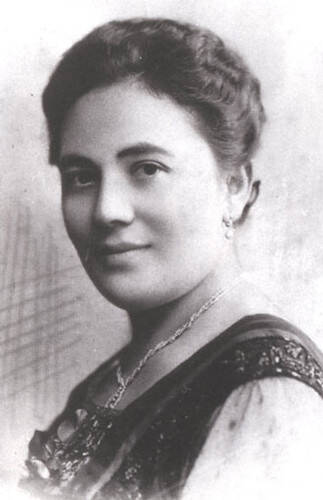
Finally in 1917 - once again in Luhačovice - he met his famous muse, Kamila Stösslová. She was 26 years old at the time, came from Písek, and was married to the antique dealer and soldier David Stössel. It is considered certain that no intimate relationship developed between them. Much in Janáček’s operas from his late creative period - and in his song cycle Diary of One Who Disappeared - has been interpreted as relating to this admired woman and muse. It is certain that this woman had awakened longings and idealizations in him, which he projected onto his late musical works. We owe such magnificent female characters as Emilia Marty and Kát’a Kabanová to this admiration and love, but we should not look for biographical traits in them.
Kamila Stösslová. Source: Leoš Janáček Archive, Moravian Museum, Music Department (F-I-063)
Extremely successful and wealthy (thanks to high royalties) in his later years he composed - rapidly and without interruption - one successful opera after another, each with a completely different subject:
The suffering, modern woman in archaic social structures (Kát’a Kabanová and Jenůfa). Eternal life, the longing for it and the suffering it brings (The Makropulos Case). Nature, instincts, and love, life and death (The Cunning Little Vixen). The sinful and suffering creature, each of whom is animated by a divine spark (From the House of the Dead).
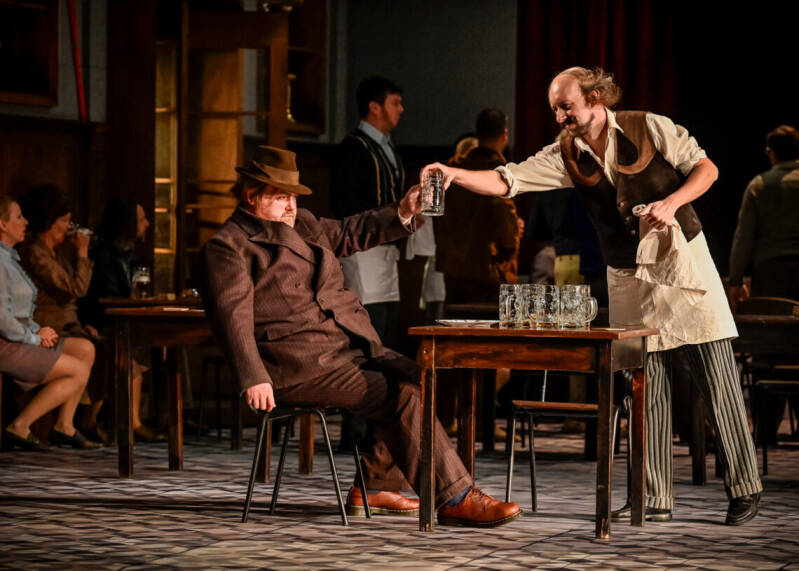
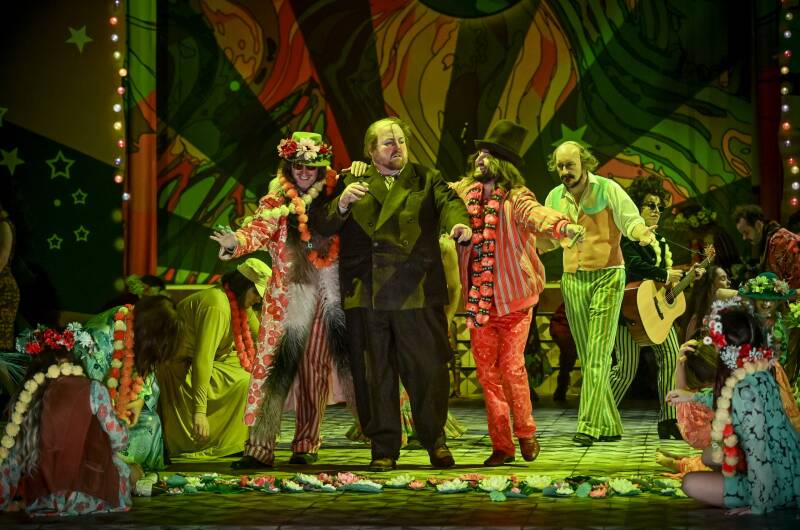
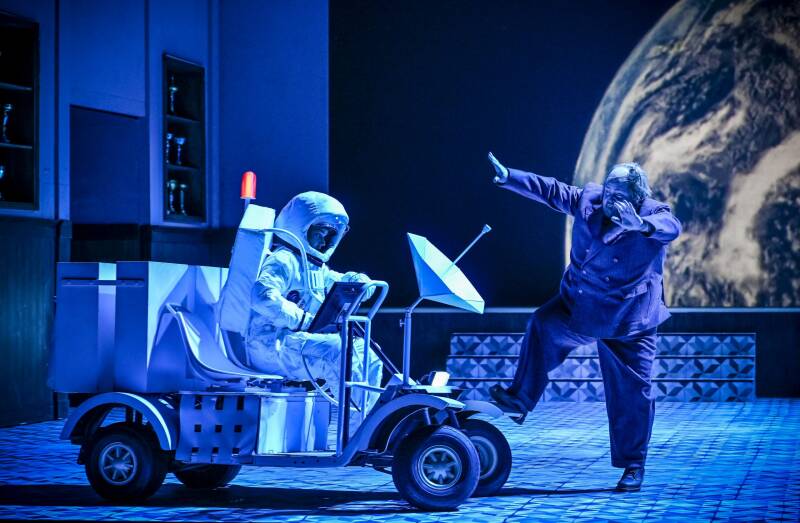
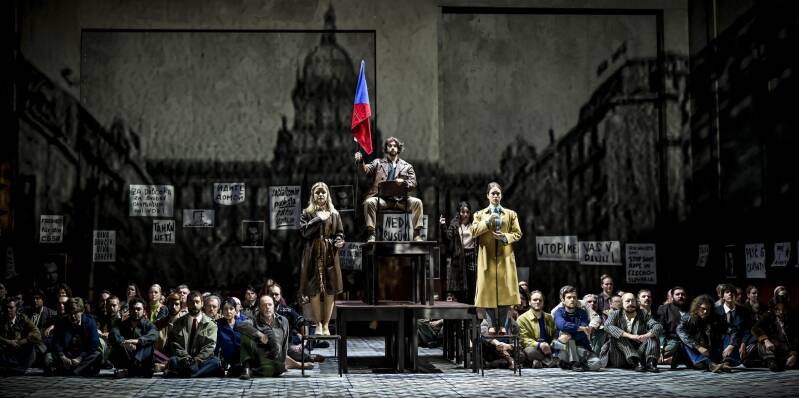
The Adventures of Mr. Brouček (Brno National Theater), featuring Nicky Spence (Brouček). © Marek Olbrzymek
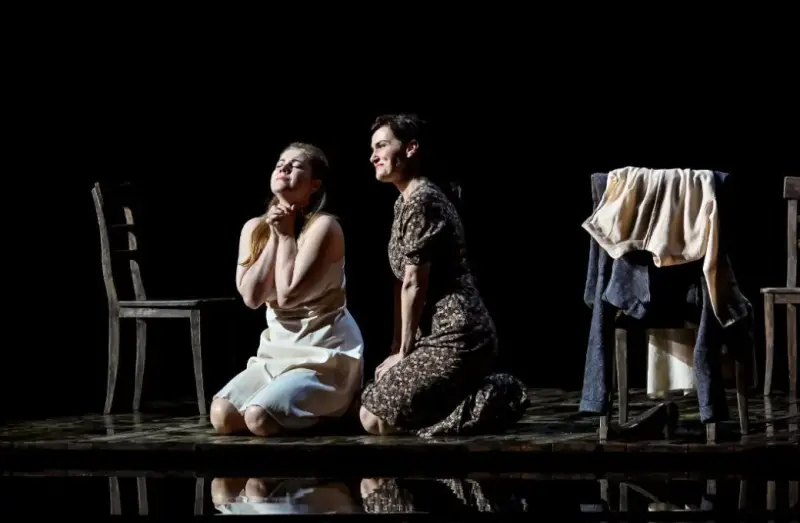
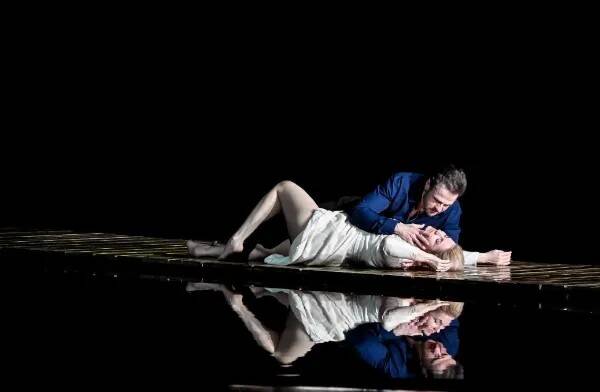
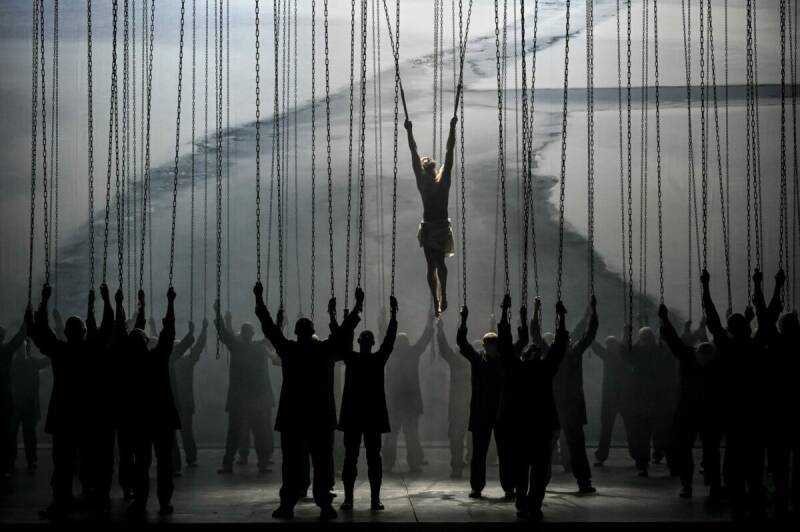
Left: Káťa Kabanová (Brno National Theater), Kateřina Kněžikova (Káťa), Peter Berger (Boris), and Václava Krejči Housková (Varvara). © Marek Olbrzymek
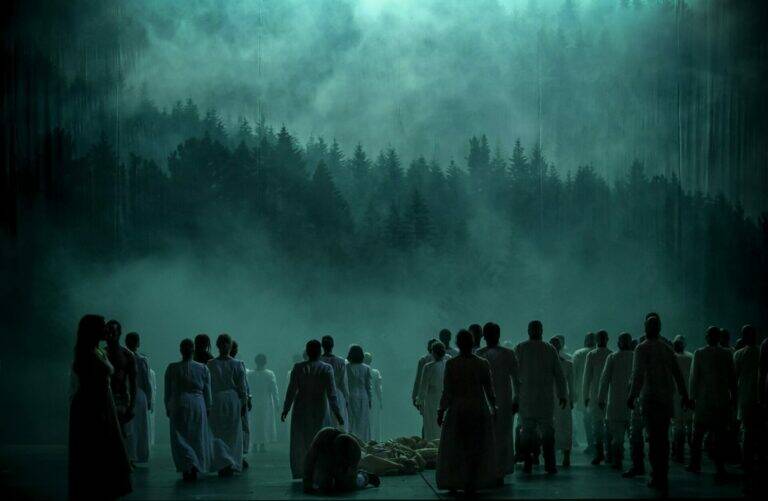
Right: From the House of the Dead / Glagolitic Mass (Brno National Theater), featuring Kateřina Kněžiková and Jana Hrochová. © Marek Olbrzymek
The final years of his life, up until 1928, were marked by frequent trips to attend performances of his operas, an increasingly close relationship with Kamila Stösslová - their platonic bond remained intact - and more and more stays in his hometown of Hukvaldy, in the house he had purchased in 1921. A museum has been established there as well. Janáček simply felt a need for the peace and nature of the place where he was born.
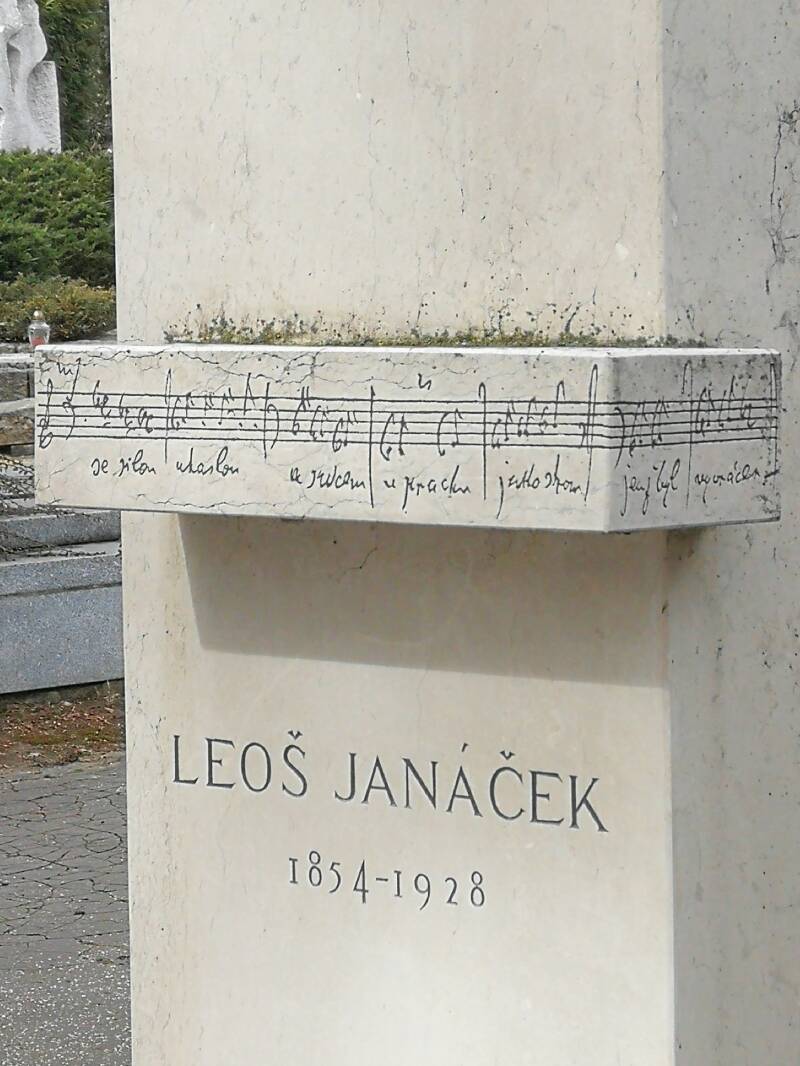
And in the summer of 1928 in Hukvaldy, it all happened very quickly. Kamila Stösslová was spending time there with her son Otto. Leoš fell ill with pneumonia and subsequently died in a hospital in nearby Ostrava. In his final days his beloved Kamila was by his side. Leoš is buried at the Central Cemetery in Brno.
Links to Leoš Janáček:
Comprehensive online encyclopedia about Leoš Janáček, his life, and his work in Brno:
https://www.leosjanacek.eu/de/
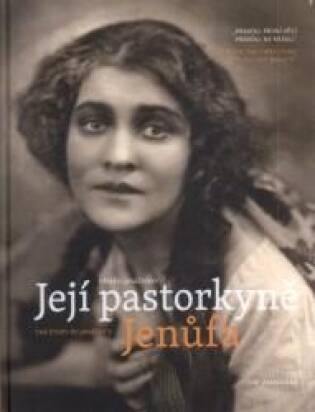
Information about the multi-volume Janáček Bible in book form by Jiří Zahrádka (3 volumes published, 2 more to follow, Czech/English):
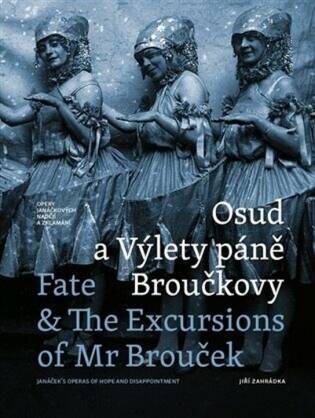
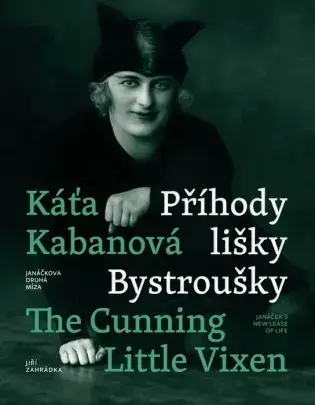
Here you can purchase Jiří Zahrádka’s books online. They are also available at the Brno Opera or at academic bookstores in the Czech Republic:
https://www.prestomusic.com/books/search?search_query=zahradka
Link to a historical recording featuring Gabriela Horvátová as Kostelnička (you may need to skip the advertisement):
https://www.youtube.com/watch?v=11PxDH5NX-k
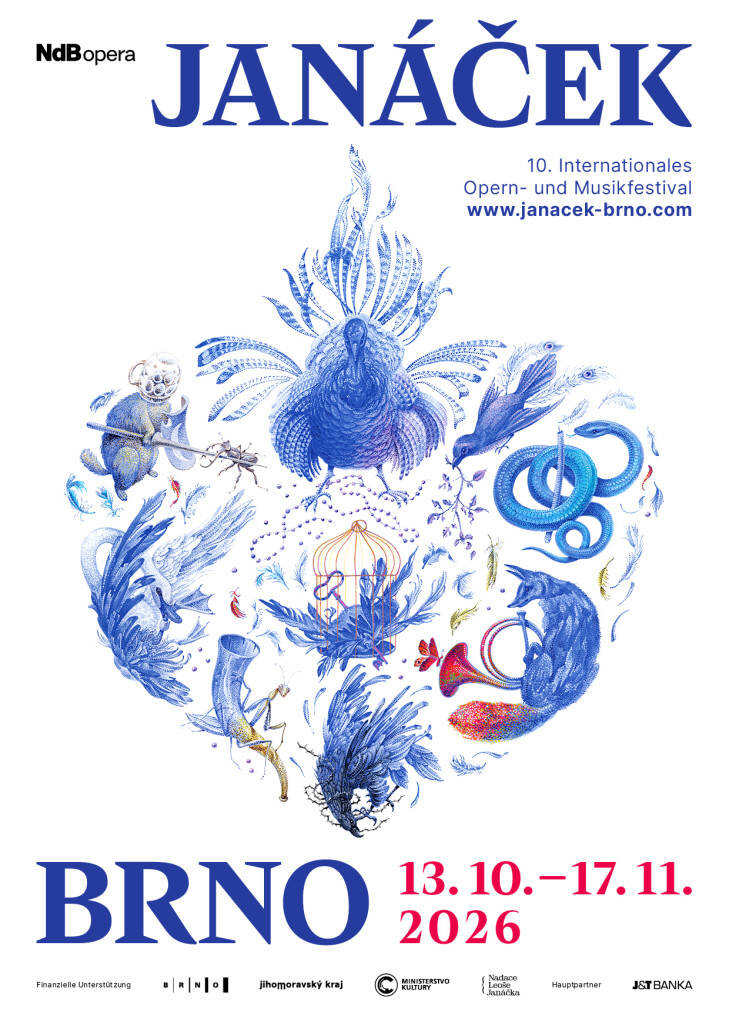
Link to the Janáček Festival in Brno (including all information, trailers, and tickets):
Janáček Brno 2026 theme, Design by Michal Bačak and Žaneta Kögler