At least once a year, Bergamo becomes a destination of choice for passionate opera lovers. In November the Lombard city hosts the Donizetti Festival, which is almost entirely dedicated to the operatic works of composer Gaetano Donizetti. The famous bel canto composer was born and died in Bergamo, so the city is not only a place of pilgrimage for his musical legacy but also for his life.
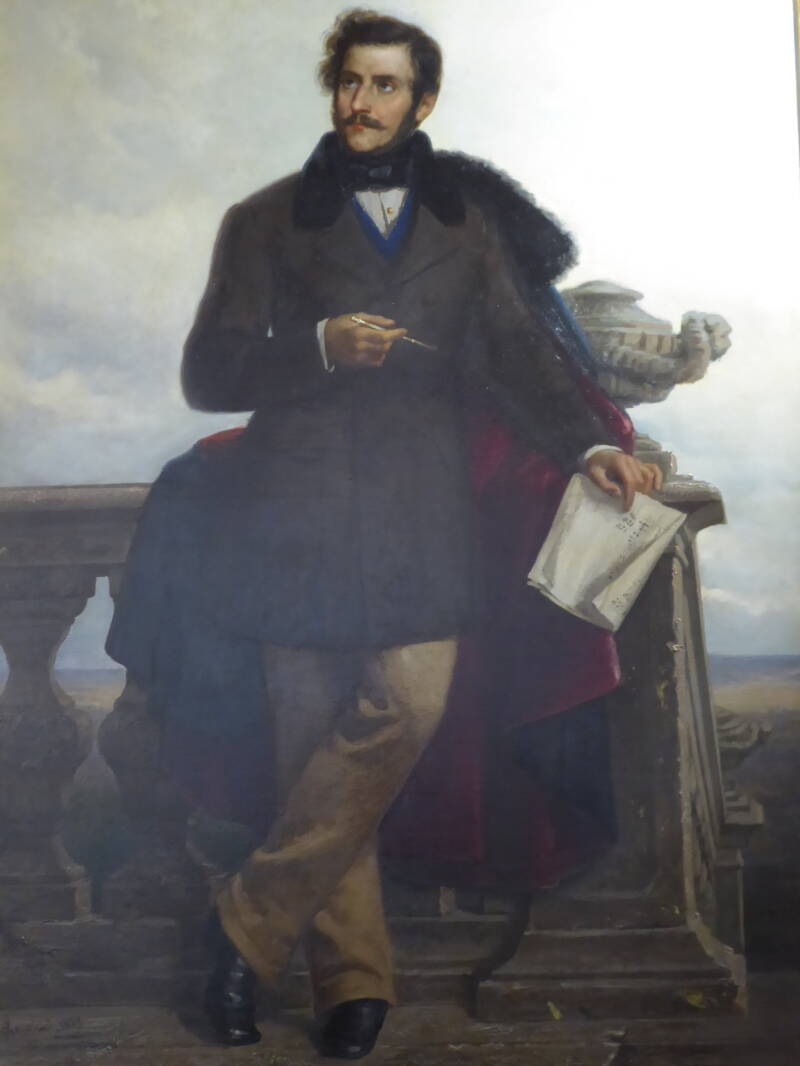
Gaetano Donizetti, famous posthumous portrait (by Ponziano Loverini, 1877)
Bergamo is home to two opera houses: the Teatro Sociale (built in the early 19th century) in the historic center of the Upper Town, and the Teatro Donizetti (built in the late 18th century) in the Lower Town. At that time opera institutions were still competing companies that did not have to worry about a lack of audience. In their architecture as box-seat theaters both venues also reflect the social order of their respective neighborhoods and the rivalry between the historic Upper Town and the successfully developing modern Lower Town.
The shine and glamour of those heyday of opera culture, with its classic hits and numerous world premieres, can now only be glimpsed at the Donizetti Festival. Throughout the year the program of the cooperating theaters consists of occasional guest performances and co-productions. For me it is of course very sad that, especially in the country where opera was born, more and more theaters have had to and are having to give up their own ensembles. This reinforces the view in Italy that opera is a museum-bound, decaying art form. All the greater, then, is my thanks to Bergamo for this strong sign of life from this magnificent art form and my joy at being able to share in it!
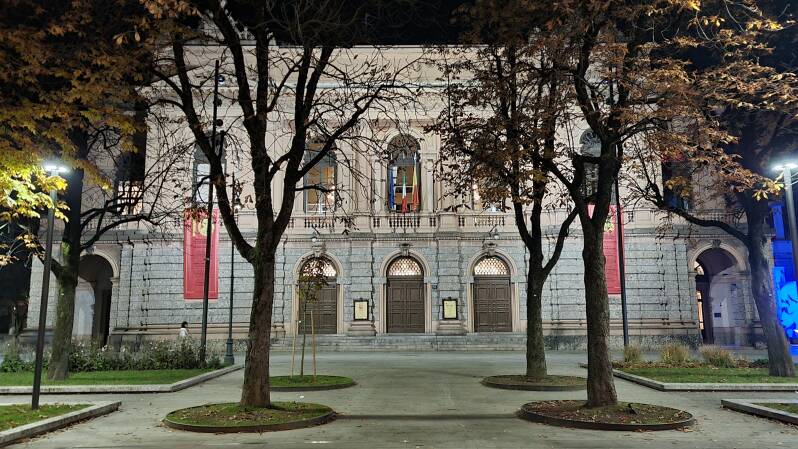
Teatro Donizetti (Bergamo, Piazza Cavour)
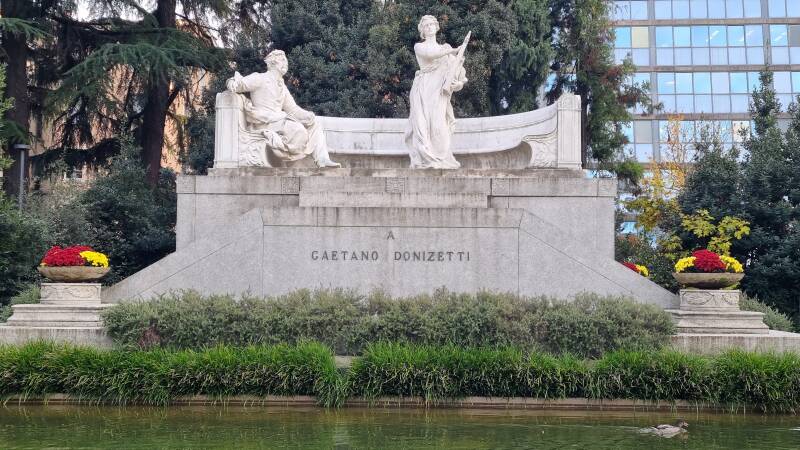
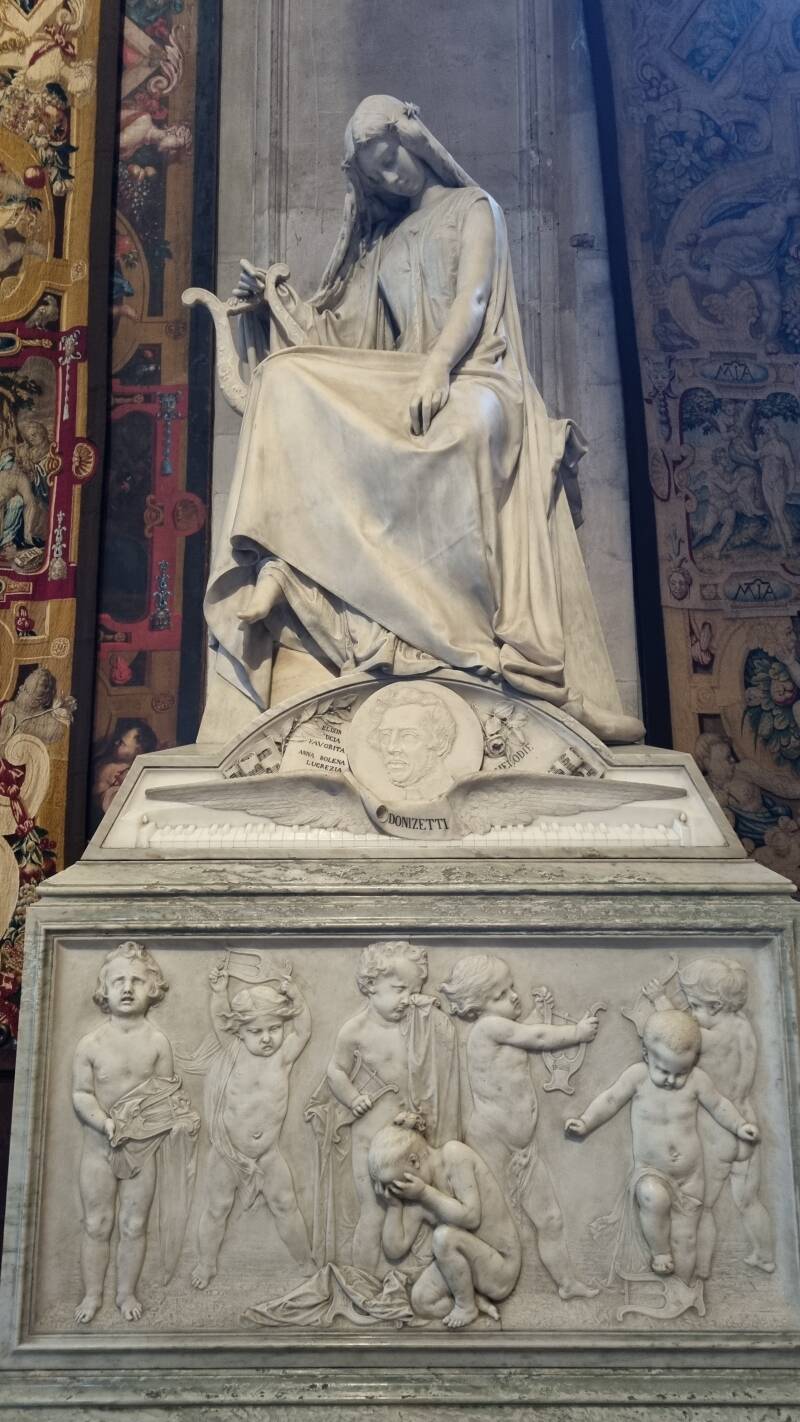
Monument to Donizetti (with the muse Melpomene, sculpture by Francesco Jerace, 1897)
Gaetano Donizetti was born in 1797 just outside the city walls of the historic center. The house where he was born - only part of which was occupied by his immediate family - is open to visitors.
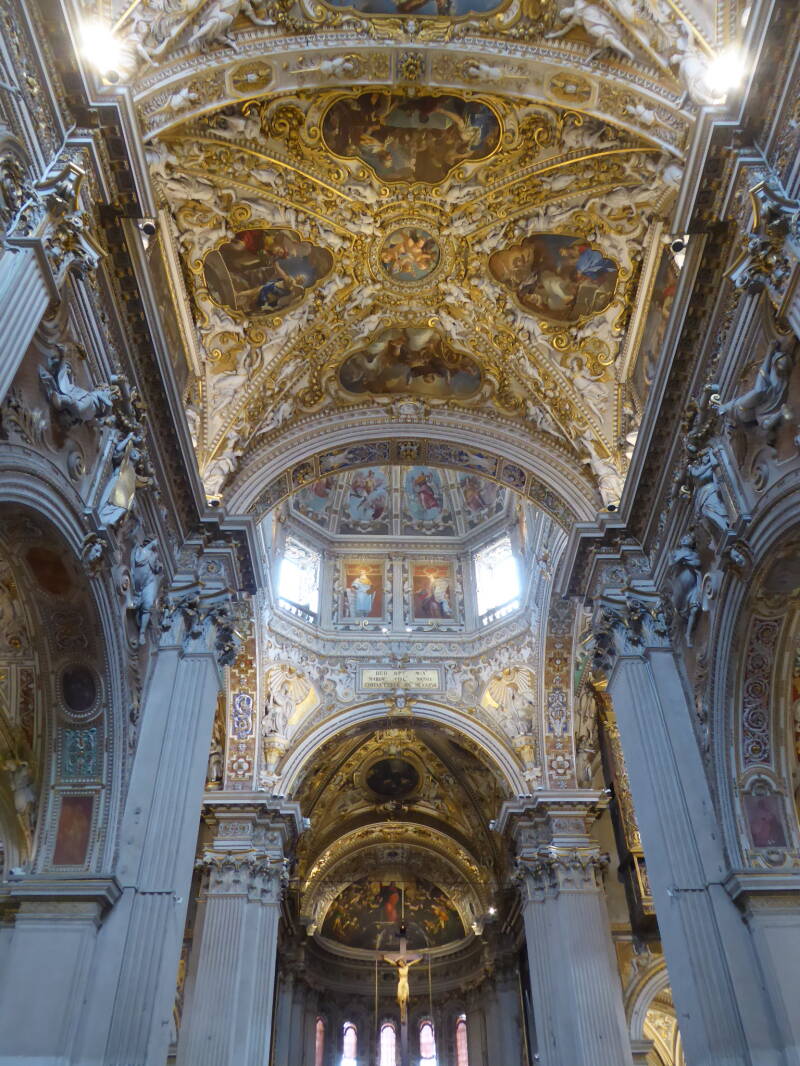
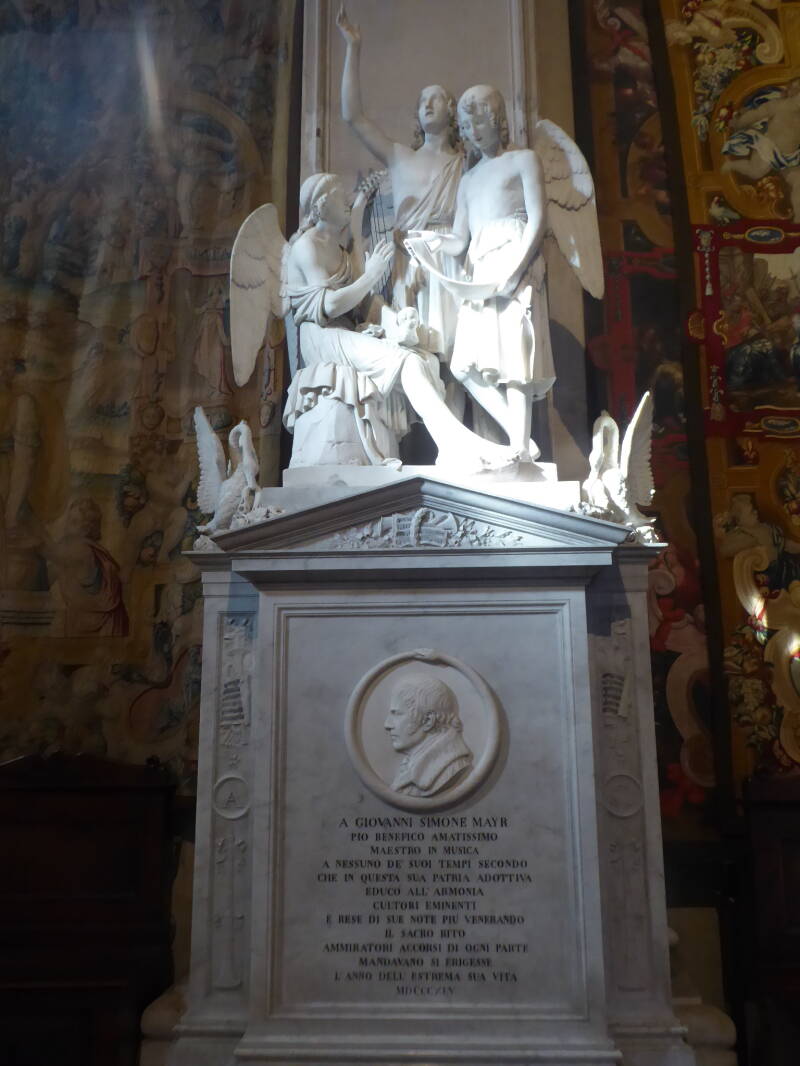
Very soon Donizetti was able to attend the Lezioni Caritatevoli di Musica - a music school founded by Giovanni Simone Mayr. Mayr - a composer from Germany who is little known today but was extremely important for the development of opera - served as music director of the Basilica of Santa Maria Maggiore for decades. He personally taught the young Donizetti composition.
Left: Inside the Basilica of Santa Maria Maggiore
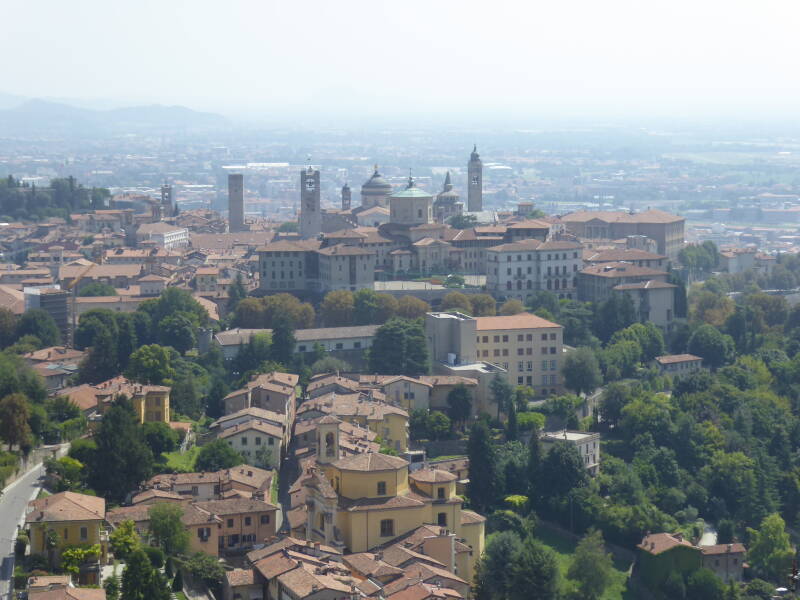
Bergamo, with the district outside the city walls where Donizetti’s birthplace is located in the foreground
Milan, Paris and Vienna were the other major centers of Donizetti’s international career. The world premieres of his famous operas „Anna Bolena“ (1830), „L’elisir d’amore“ (1832), „Lucrezia Borgia“ (1833), and „Maria Stuarda“ (1835) took place in Milan. His time in Paris was marked by successes, but also by certain competitive situations. In 1835 there was a very close succession of premieres of Donizetti’s „Marin Faliero” and Vincenzo Bellini’s “I Puritani,” a “rivalry” in which Bellini’s opera was apparently perceived as the more successful. Unfortunately Vincenzo Bellini died shortly thereafter. Donizetti honored his “rival” by composing a Requiem and a “Lamento per la morte di Bellini.”
Far more unpleasant rivalries followed in Paris starting in 1840, following Donizetti’s great successes with “La Favorite,” a French version of “Lucia di Lammermoor” and other operas originally composed for Milan. Hector Berlioz, in particular, stood out as an aggressive rival, as documented in a preserved exchange of letters between the two. But that is just one of many stories from Gaetano Donizetti’s turbulent life for those interested in music history.
As for his family life, Gaetano Donizetti was denied any happiness. In 1828 he married Virginia Vasselli, the daughter of a Roman physician. However the couple experienced only miscarriages, stillbirths and a premature baby who died shortly after birth. Virginia herself died in 1837. Donizetti’s enormous creative energy and productivity during these years were certainly due not only to his genius but also to his need to compensate for these terrible blows of fate.
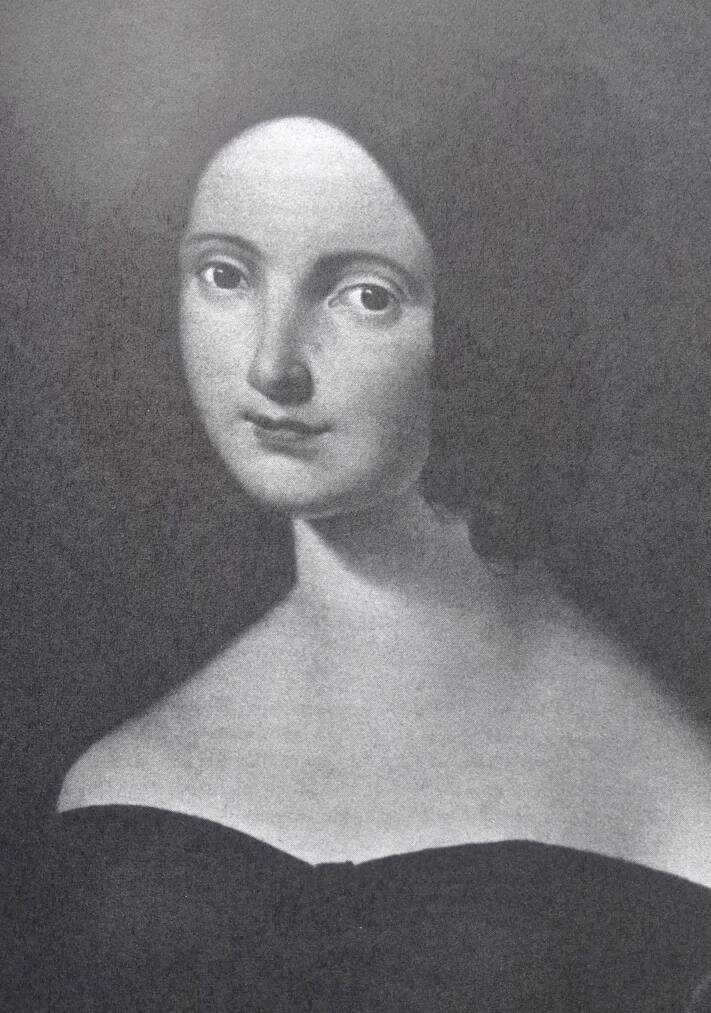
Virginia Vasselli (painted by Teodoro Ghezzi, from Wikipedia)
In Vienna, where the world premiere of “Linda di Chamounix” took place in 1842, Donizetti was appointed chamber master and court composer to Emperor Ferdinand I. In addition to an attractive salary this position entailed numerous obligations, such as conducting at the opera and composing cantatas, and required him to spend long periods of time in Vienna. Further milestones followed with the operas “Don Pasquale” (1843) in Paris and “Caterina Cornaro” (1844) in Naples. The latter was presented to great acclaim at the last festival in Bergamo in 2025.
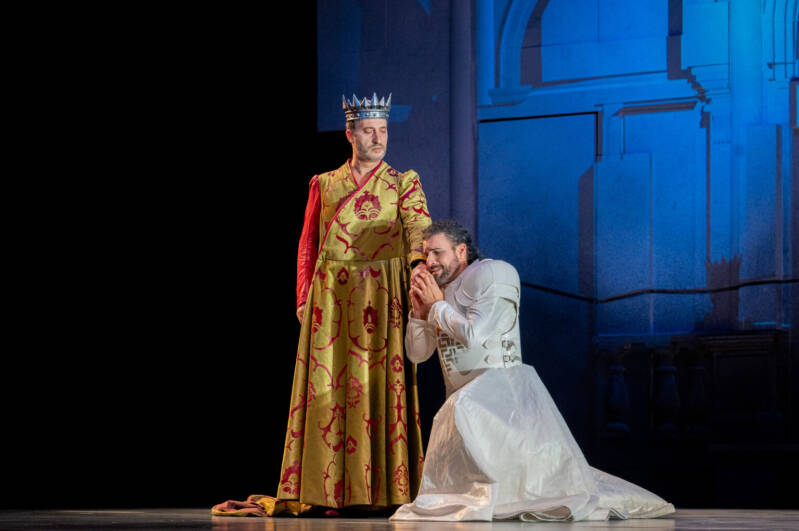
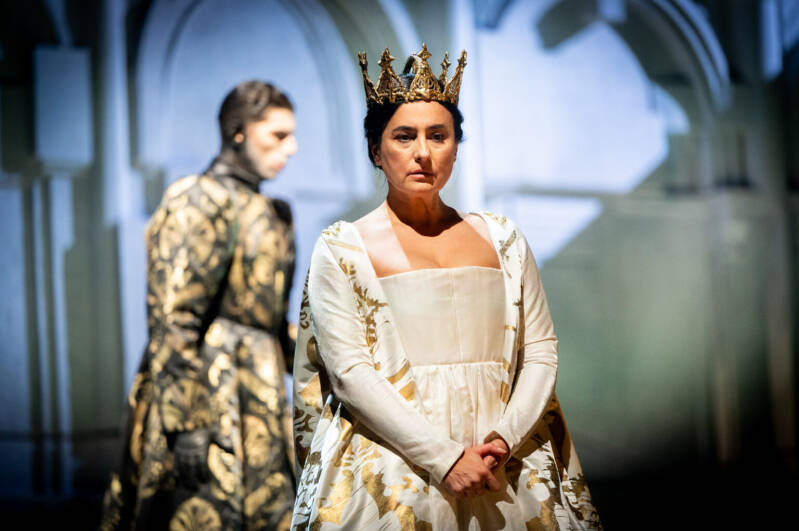
“Caterina Cornaro” / Teatro Donizetti 2025, featuring Carmela Remigio, Vito Priante, and Enea Scala. © Photo Studio U. v., Osio Sopra.
In 1845 Donizetti’s health rapidly deteriorated and collapsed in Paris. Episodes of fever and headaches, as well as muscle weakness, became increasingly severe as did his mental health issues - the latter to such an extent that he was forcibly committed to the mental asylum in Ivry-sur-Seine. There are letters from Donizetti sent from the asylum as cries for help, to which a response could only be given months later. Diplomatic efforts from Austria and, above all, the intervention of Donizetti’s father-in-law Antonio Vasselli, his brother Giuseppe and his nephew Andrea initially enabled Donizetti to leave the asylum. More months passed - with repeated delays caused by medical boards that first questioned his ability to leave the asylum and then his fitness to travel to Italy - and by the time Donizetti arrived in his hometown of Bergamo his mental decline, the loss of his intellect and the weakening of his muscles were well advanced. Donizetti spent the last months of his life - largely reduced to vegetative bodily functions - at Palazzo Basoni, where the aristocratic owner, Rosa Basoni, provided comfortable accommodations and care. Gaetano Donizetti died there in April 1848.
Of course the syphilis hypothesis is considered the ultimate cause, a theory that many authors have presented more or less convincingly (such as F. H. Franken in „Die Krankheiten großer Komponisten“ [The Illnesses of Great Composers], Volume 2, 1989). The autopsy also documented chronic encephalitis. At that time a diagnosis was, of course, merely an observational finding without any microscopy, histology, blood testing or pathogen detection. Many details and causes of illness and death among famous figures therefore remain speculative from today’s perspective. The same applies to the couple’s childlessness, which may have been due to Rh incompatibility - a condition that was completely unknown at the time.
Gaetano Donizetti’s grave and tomb (left side) are located - next to that of his teacher and patron Mayr (right side) - in the Basilica of Santa Maria Maggiore in Bergamo’s Upper Town.
Links:
About the opera houses:
https://www.teatrodonizetti.it/en/donizetti-theater-foundation/
Trailer for “Zoraida di Granata” (you may need to skip the ad at the beginning), a 2024 production (Teatro Sociale), available on DVD.
https://www.youtube.com/watch?v=vNFLJ_6Usho
About the Accademia Carrara:
About Donizetti’s birthplace:
https://www.teatrodonizetti.it/it/casa-natale/
Gaetano Donizetti Museum:
https://museodellestorie.bergamo.it/luogo/museo-donizettiano/
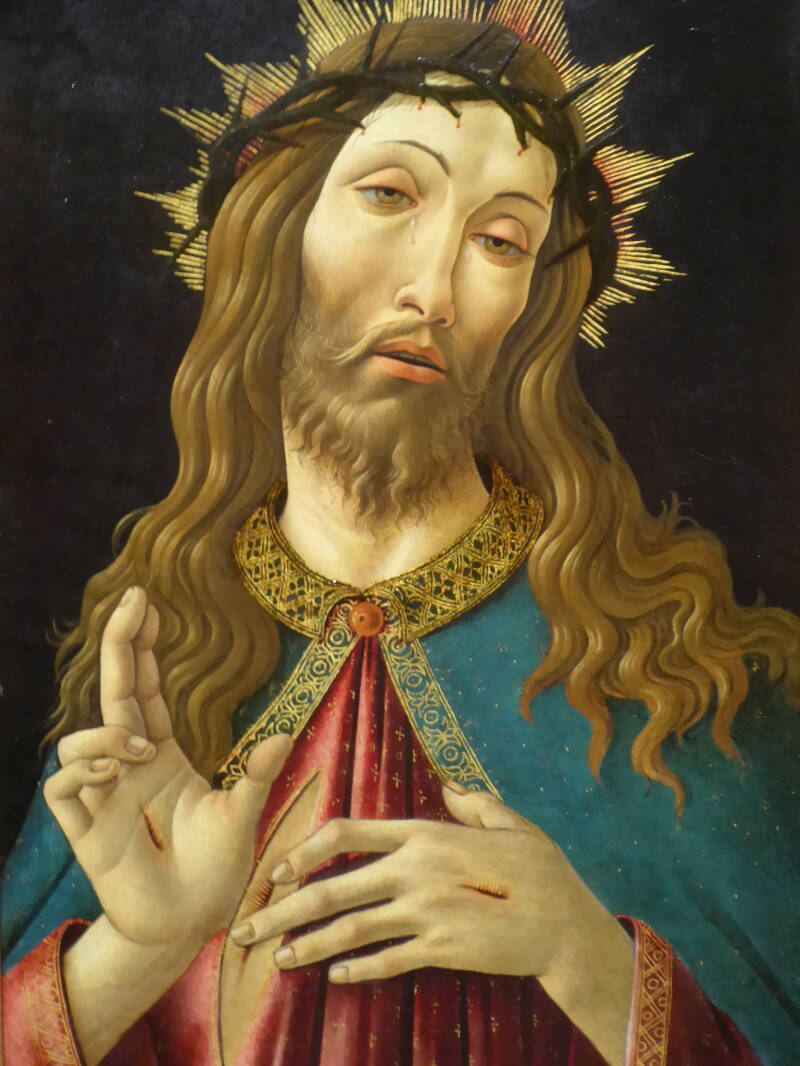
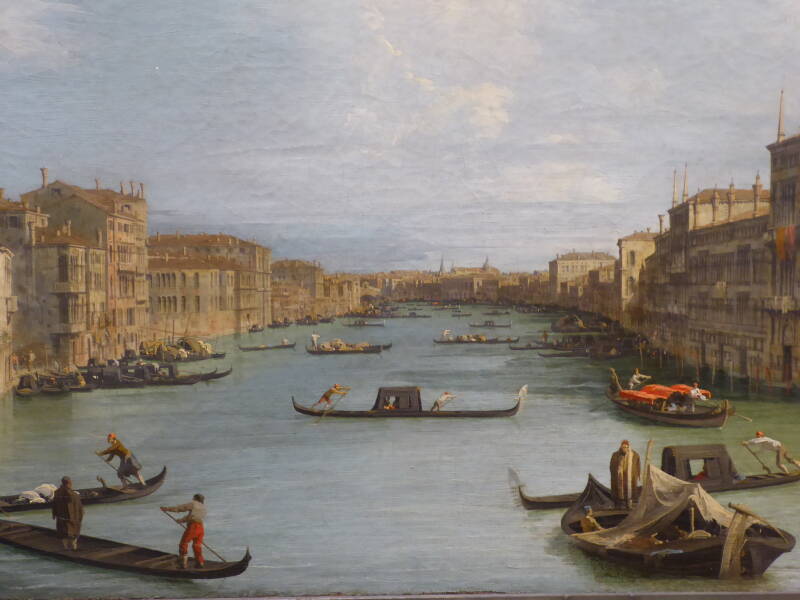
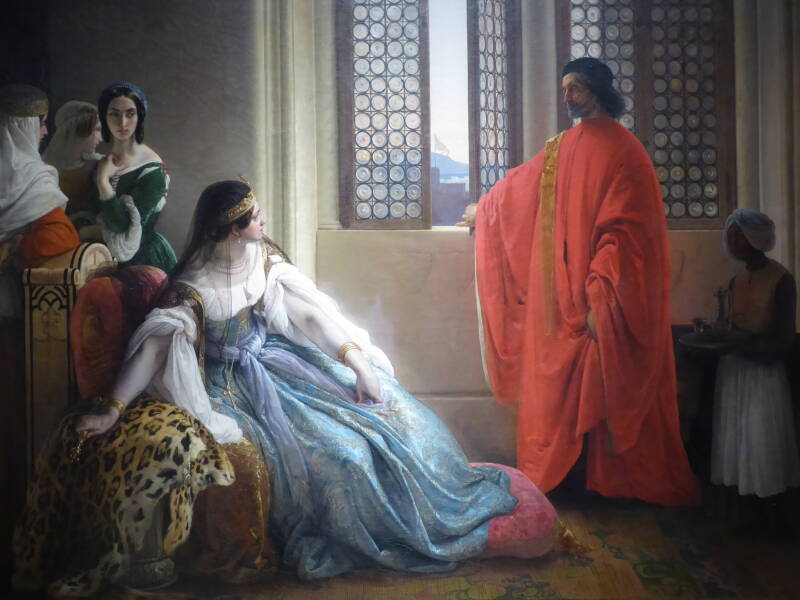
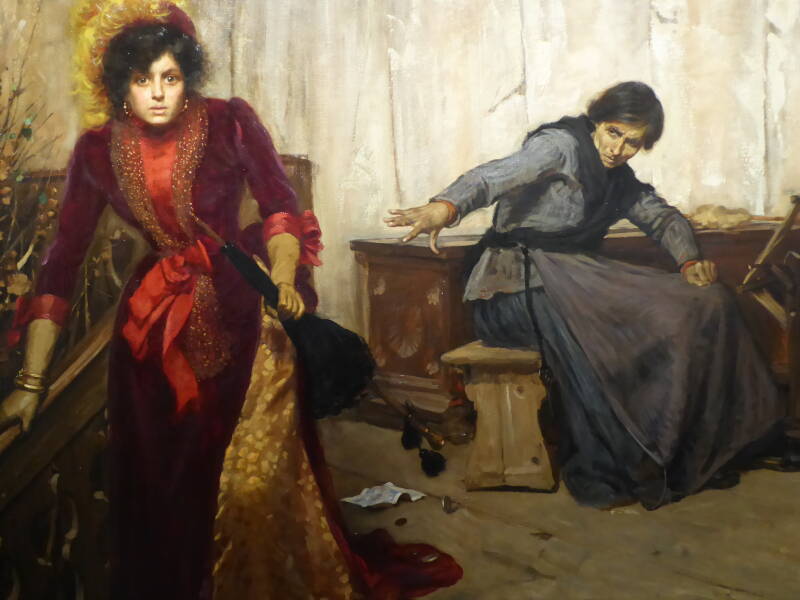
Worth seeing: The Accademia Carrara’s art gallery - in addition to works by major masters (from left to right), such as Botticelli (Vir Dolorum) and Canaletto (Canal Grande da Ca’ Foscari), also “fitting for the 2025 program” Francesco Hayez (C. Cornaro receives the announcement of her appointment by the Kingdom of Cyprus, 1842) and again Ponziano Loverini (1886, The Curse of the Mother … almost “from Belcanto to Verismo in painting”)
On local cuisine:
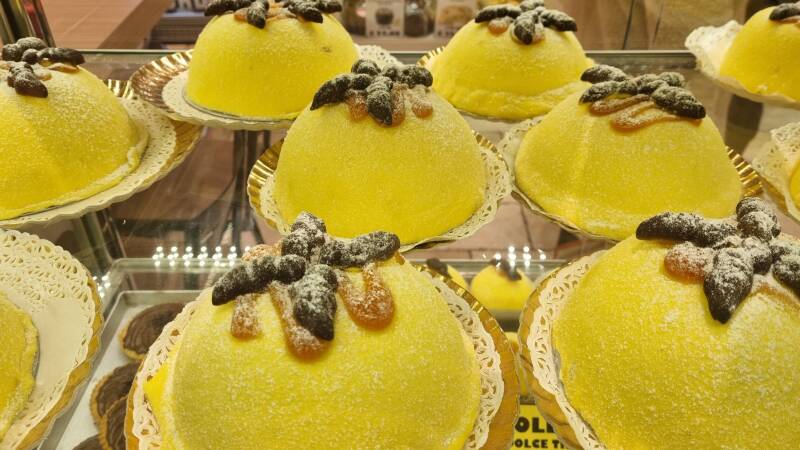
You absolutely must try the dessert Polenta e Osei in Bergamo (left), preferably in one of the cafés in the historic old town. There is also Torta del Donizetti.
Bergamo has also gained fame for its ice cream. It is said that Stracciatella ice cream was invented here at Café La Marianna (Upper Town):
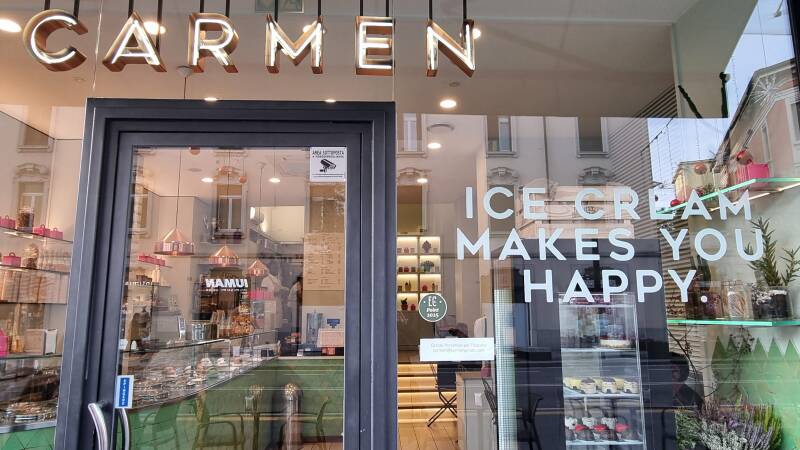
Personally, I’m more of a fan of Gelateria Carmen (right), which has locations in both the Upper and Lower Towns:
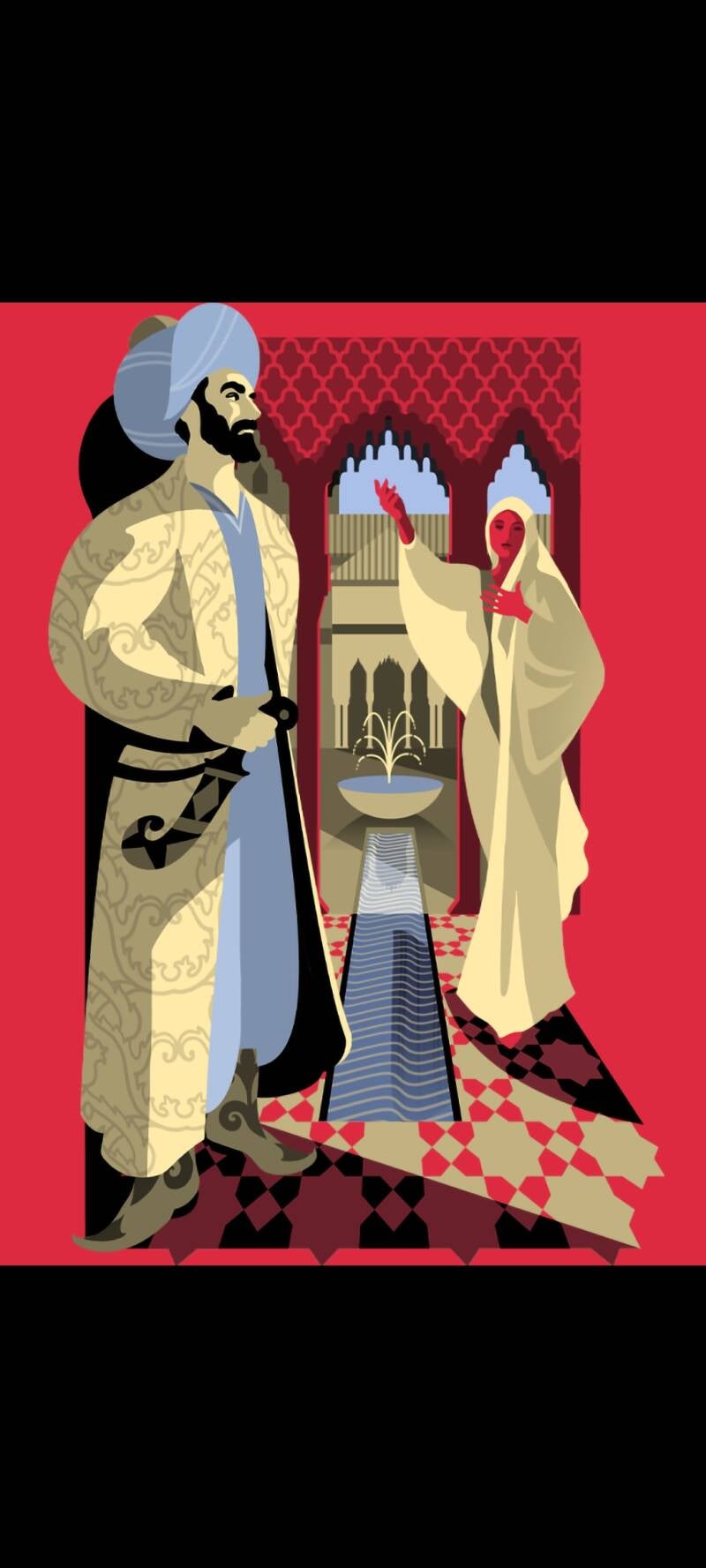
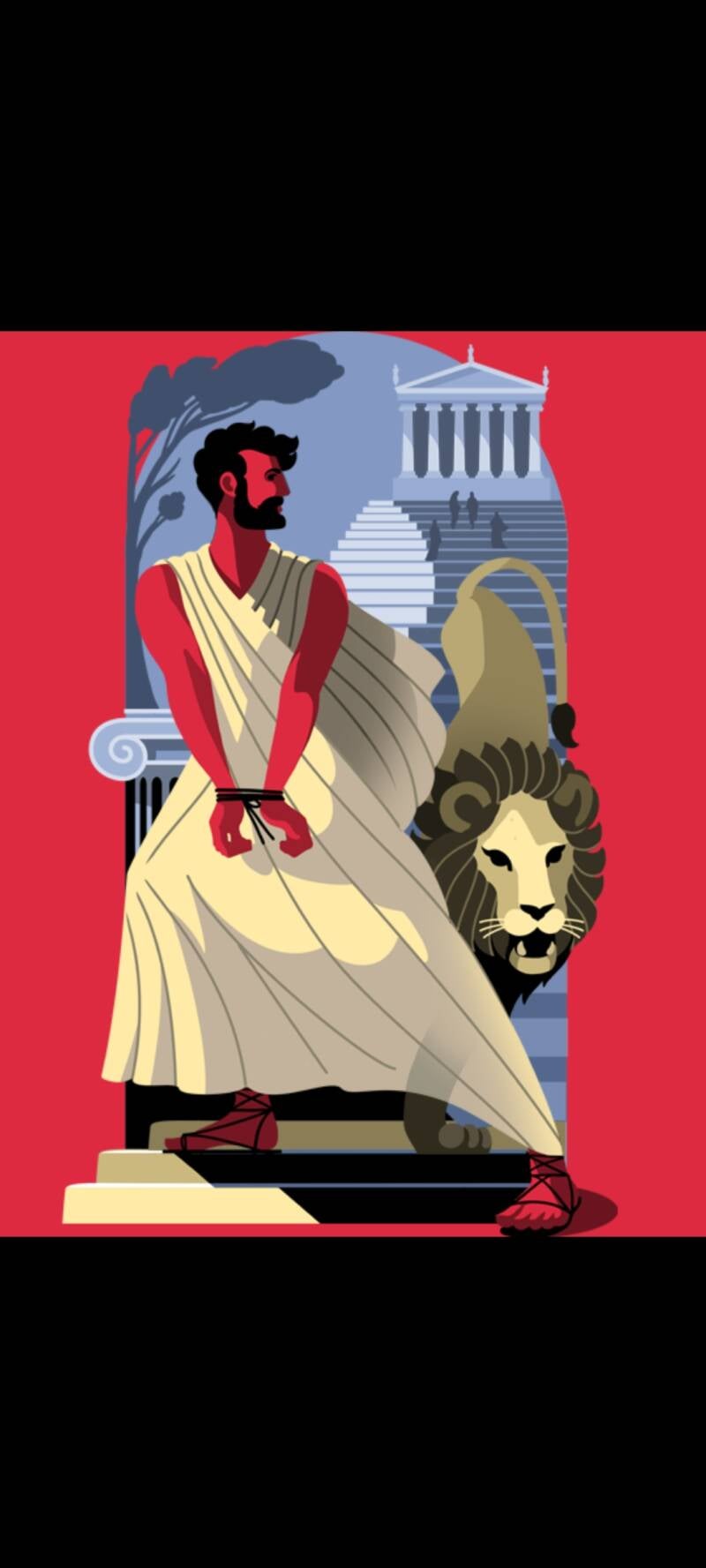
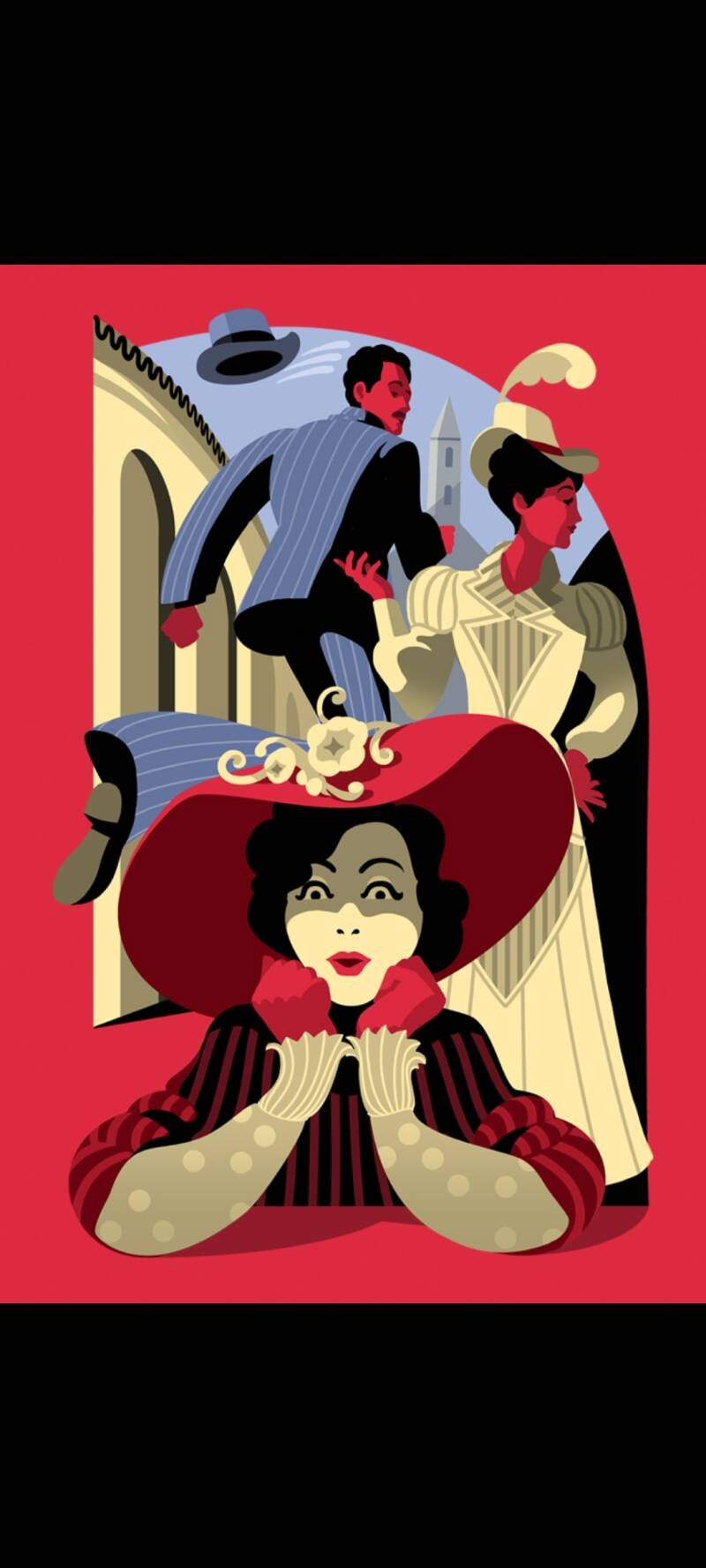
As always, the program for next year will be announced during the current festival. We can already look forward to (from left to right) “Alahor di Granata”, “L’esule di Roma”, and “Le Convenienze ed Inconvenienze Teatrali”. Source: Fondazione Teatro Donizetti